
Guest Authors
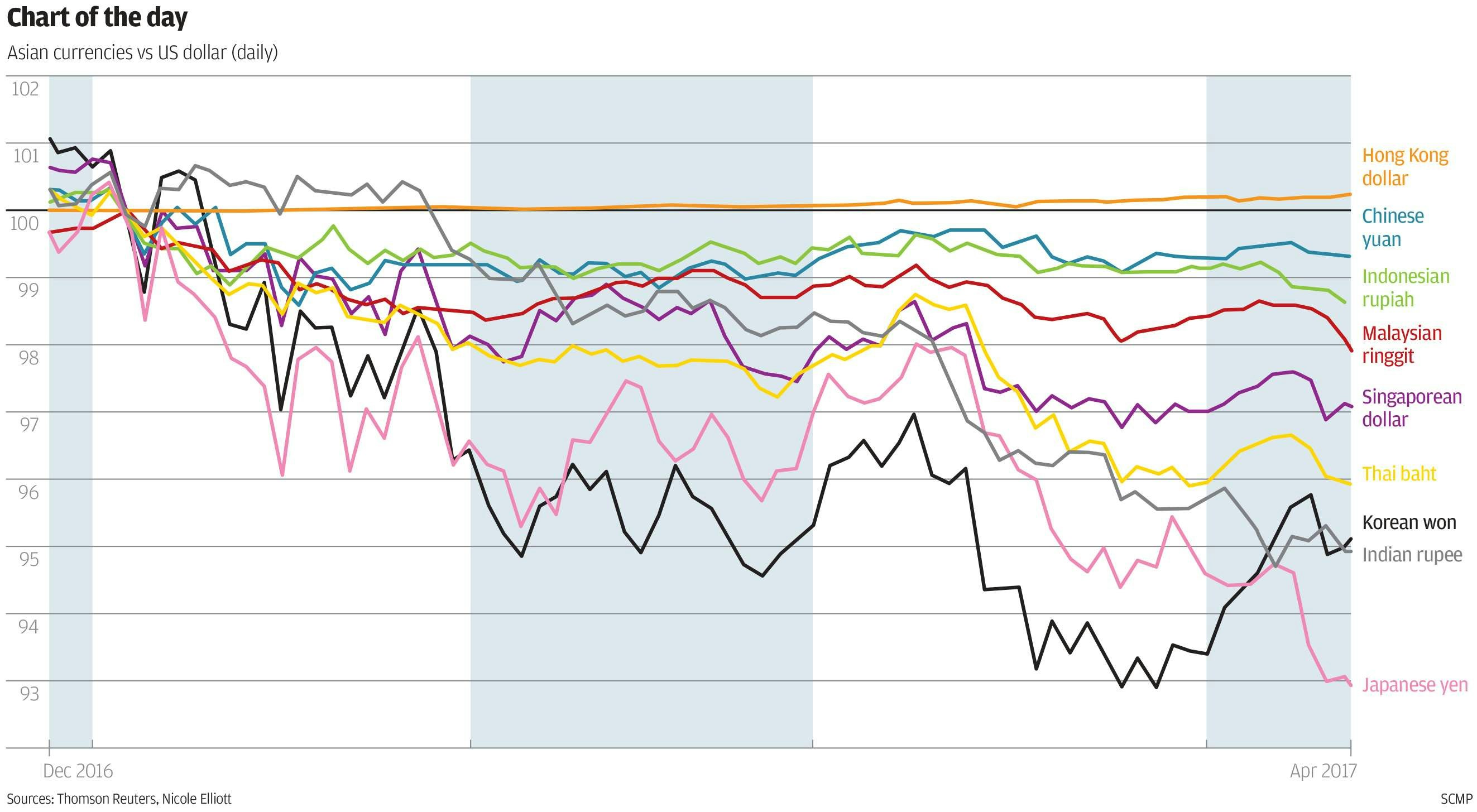
For the last three centuries, numerous international companies have been moving their production to Asia. While they have benefited from more affordable labor costs, many Asian countries have grown significantly over that period of time. However, it seems that the ongoing changes on the global political map are affecting the strength of the US dollar, as well as its status in Asia. Namely, the announcement made by the new US administration that they are pulling out from the Trans-Pacific Trade Deal has shaken the grounds of this collaboration and worried businesspeople from both sides of the Pacific. So, how exactly is the dollar changing and what can business people expect in the time ahead?
Will the dollar rise or fall?
The newly elected American president, Donald Trump, wants to bring new tax rules and financial policies, so as to move production from Asia back to the USA, aiming at full domestic employment. However, this could increase the value of the dollar, which would result in lower competitiveness of home-made American products on the global market. Mr. Trump and his advisers claim that they’re preparing a new set of tax regulations that will loosen the pressure on the dollar. Nevertheless, the Financial Times brings a thorough analysis of the potential results of this decision. In a nutshell, these aretwo main points:
Infrastructure spending and repatriation
If the US Government manages to boost the growth through infrastructure projects and lower taxes, traders are likely to keep buying the dollar. In return, the Federal Reserves will raise rates and the US currency will become stronger. Also, if the Government start imposing higher taxes on imports and companies bring production back to the States, it could all boomerang on the President Trump’s plans.
Forcing down the exchange rate
Another possible scenario is that President Trump will try to force down the dollar too strong by naming China a currency manipulator or by ordering the Treasury to play a more important role in adjusting the exchange rates to his preferences. However, the former measure could deteriorate the position of the USA on the global trade stage, while the latter could spark inflation and damage the national economy.The bottom line is that President Trump’s big plans and hasty solutions could easily backfire on him, so it’s expected that the new US Government will keep the dollar under control and avoid any dangerous decisions.
How are Asian countries reacting?
It’s impossible to bring a single international economic decision in the USA without provoking a reaction in Asia. Here’s how three main Asian economies are reacting to the recent changes of the dollar:
- Japanese benefits – The stronger dollar will yield benefits not only for the Bank of Japan, but on its behalf as well, since they won’t bring any difficult decisions. At this moment, you can trade 1 dollar for 111.81 yens [source]. Japan imports almost every commodity you can think of, which means that they need to make up for the high import rate with equal export. Since electronics companies and car manufacturers are the pillars of the Japanese economy, the weaker yen has given a back wind to their export.
- Indian worries – The weakening of the neighboring currencies and the strengthening of the US dollar has led to a higher inflation rate in India. According to Bloomberg, at this moment you can get 64.9125 rupees for 1 dollar. Compared with November 2016, when this rate was 1$/68.13₹, the good news is that the rupee has recovered in the last few months. What might be more problematic is the decision of the Indian Government to demonetize the financial market, which caused a huge lack of cash and financial instability. While other countries around the world are dreaming of a cashless society, India still hasn’t reached that point of development. Find out more about this decision in a report published by The Economist.
- Chinese concerns – China and USA go back a while when it comes to trade collaboration and debt. Nowadays, China holds about $1.24 trillion of the US debt. However, according to CNN Money, Japan has taken the throne from China as the biggest creditor of the US. Nevertheless, the further strengthening of the US dollar will influence the Chinese economy. If the yuan keeps weakening, investors will continue leaving China, and since the base currency of the Chinese debt is the US dollar, it will be more expensive for Chinese companies to return their loans and debts. In addition, the Chinese economic growth has been slowing down for a couple of years, so a stronger dollar won’t be welcome in Beijing.
 . Japan imports almost every commodity you can think of, which means that they need to make up for the high import rate with equal export. Since electronics companies and car manufacturers are the pillars of the Japanese economy, the weaker yen has given a back wind to their export.
- Indian worries – The weakening of the neighboring currencies and the strengthening of the US dollar has led to a higher inflation rate in India. According to Bloomberg, at this moment you can get 64.9125 rupees for 1 dollar. Compared with November 2016, when this rate was 1$/68.13₹, the good news is that the rupee has recovered in the last few months. What might be more problematic is the decision of the Indian Government to demonetize the financial market, which caused a huge lack of cash and financial instability. While other countries around the world are dreaming of a cashless society, India still hasn’t reached that point of development. Find out more about this decision in a report published by The Economist.
- Chinese concerns – China and USA go back a while when it comes to trade collaboration and debt. Nowadays, China holds about $1.24 trillion of the US debt. However, according to CNN Money, Japan has taken the throne from China as the biggest creditor of the US. Nevertheless, the further strengthening of the US dollar will influence the Chinese economy. If the yuan keeps weakening, investors will continue leaving China, and since the base currency of the Chinese debt is the US dollar, it will be more expensive for Chinese companies to return their loans and debts. In addition, the Chinese economic growth has been slowing down for a couple of years, so a stronger dollar won’t be welcome in Beijing.
. Japan imports almost every commodity you can think of, which means that they need to make up for the high import rate with equal export. Since electronics companies and car manufacturers are the pillars of the Japanese economy, the weaker yen has given a back wind to their export.
- Indian worries – The weakening of the neighboring currencies and the strengthening of the US dollar has led to a higher inflation rate in India. According to Bloomberg, at this moment you can get 64.9125 rupees for 1 dollar. Compared with November 2016, when this rate was 1$/68.13₹, the good news is that the rupee has recovered in the last few months. What might be more problematic is the decision of the Indian Government to demonetize the financial market, which caused a huge lack of cash and financial instability. While other countries around the world are dreaming of a cashless society, India still hasn’t reached that point of development. Find out more about this decision in a report published by The Economist.
- Chinese concerns – China and USA go back a while when it comes to trade collaboration and debt. Nowadays, China holds about $1.24 trillion of the US debt. However, according to CNN Money, Japan has taken the throne from China as the biggest creditor of the US. Nevertheless, the further strengthening of the US dollar will influence the Chinese economy. If the yuan keeps weakening, investors will continue leaving China, and since the base currency of the Chinese debt is the US dollar, it will be more expensive for Chinese companies to return their loans and debts. In addition, the Chinese economic growth has been slowing down for a couple of years, so a stronger dollar won’t be welcome in Beijing.
. Japan imports almost every commodity you can think of, which means that they need to make up for the high import rate with equal export. Since electronics companies and car manufacturers are the pillars of the Japanese economy, the weaker yen has given a back wind to their export.
- Indian worries – The weakening of the neighboring currencies and the strengthening of the US dollar has led to a higher inflation rate in India. According to Bloomberg, at this moment you can get 64.9125 rupees for 1 dollar. Compared with November 2016, when this rate was 1$/68.13₹, the good news is that the rupee has recovered in the last few months. What might be more problematic is the decision of the Indian Government to demonetize the financial market, which caused a huge lack of cash and financial instability. While other countries around the world are dreaming of a cashless society, India still hasn’t reached that point of development. Find out more about this decision in a report published by The Economist.
- Chinese concerns – China and USA go back a while when it comes to trade collaboration and debt. Nowadays, China holds about $1.24 trillion of the US debt. However, according to CNN Money, Japan has taken the throne from China as the biggest creditor of the US. Nevertheless, the further strengthening of the US dollar will influence the Chinese economy. If the yuan keeps weakening, investors will continue leaving China, and since the base currency of the Chinese debt is the US dollar, it will be more expensive for Chinese companies to return their loans and debts. In addition, the Chinese economic growth has been slowing down for a couple of years, so a stronger dollar won’t be welcome in Beijing.
. Japan imports almost every commodity you can think of, which means that they need to make up for the high import rate with equal export. Since electronics companies and car manufacturers are the pillars of the Japanese economy, the weaker yen has given a back wind to their export.
- Indian worries – The weakening of the neighboring currencies and the strengthening of the US dollar has led to a higher inflation rate in India. According to Bloomberg, at this moment you can get 64.9125 rupees for 1 dollar. Compared with November 2016, when this rate was 1$/68.13₹, the good news is that the rupee has recovered in the last few months. What might be more problematic is the decision of the Indian Government to demonetize the financial market, which caused a huge lack of cash and financial instability. While other countries around the world are dreaming of a cashless society, India still hasn’t reached that point of development. Find out more about this decision in a report published by The Economist.
- Chinese concerns – China and USA go back a while when it comes to trade collaboration and debt. Nowadays, China holds about $1.24 trillion of the US debt. However, according to CNN Money, Japan has taken the throne from China as the biggest creditor of the US. Nevertheless, the further strengthening of the US dollar will influence the Chinese economy. If the yuan keeps weakening, investors will continue leaving China, and since the base currency of the Chinese debt is the US dollar, it will be more expensive for Chinese companies to return their loans and debts. In addition, the Chinese economic growth has been slowing down for a couple of years, so a stronger dollar won’t be welcome in Beijing.
. Japan imports almost every commodity you can think of, which means that they need to make up for the high import rate with equal export. Since electronics companies and car manufacturers are the pillars of the Japanese economy, the weaker yen has given a back wind to their export.
- Indian worries – The weakening of the neighboring currencies and the strengthening of the US dollar has led to a higher inflation rate in India. According to Bloomberg, at this moment you can get 64.9125 rupees for 1 dollar. Compared with November 2016, when this rate was 1$/68.13₹, the good news is that the rupee has recovered in the last few months. What might be more problematic is the decision of the Indian Government to demonetize the financial market, which caused a huge lack of cash and financial instability. While other countries around the world are dreaming of a cashless society, India still hasn’t reached that point of development. Find out more about this decision in a report published by The Economist.
- Chinese concerns – China and USA go back a while when it comes to trade collaboration and debt. Nowadays, China holds about $1.24 trillion of the US debt. However, according to CNN Money, Japan has taken the throne from China as the biggest creditor of the US. Nevertheless, the further strengthening of the US dollar will influence the Chinese economy. If the yuan keeps weakening, investors will continue leaving China, and since the base currency of the Chinese debt is the US dollar, it will be more expensive for Chinese companies to return their loans and debts. In addition, the Chinese economic growth has been slowing down for a couple of years, so a stronger dollar won’t be welcome in Beijing.
. Japan imports almost every commodity you can think of, which means that they need to make up for the high import rate with equal export. Since electronics companies and car manufacturers are the pillars of the Japanese economy, the weaker yen has given a back wind to their export.
- Indian worries – The weakening of the neighboring currencies and the strengthening of the US dollar has led to a higher inflation rate in India. According to Bloomberg, at this moment you can get 64.9125 rupees for 1 dollar. Compared with November 2016, when this rate was 1$/68.13₹, the good news is that the rupee has recovered in the last few months. What might be more problematic is the decision of the Indian Government to demonetize the financial market, which caused a huge lack of cash and financial instability. While other countries around the world are dreaming of a cashless society, India still hasn’t reached that point of development. Find out more about this decision in a report published by The Economist.
- Chinese concerns – China and USA go back a while when it comes to trade collaboration and debt. Nowadays, China holds about $1.24 trillion of the US debt. However, according to CNN Money, Japan has taken the throne from China as the biggest creditor of the US. Nevertheless, the further strengthening of the US dollar will influence the Chinese economy. If the yuan keeps weakening, investors will continue leaving China, and since the base currency of the Chinese debt is the US dollar, it will be more expensive for Chinese companies to return their loans and debts. In addition, the Chinese economic growth has been slowing down for a couple of years, so a stronger dollar won’t be welcome in Beijing.
. Japan imports almost every commodity you can think of, which means that they need to make up for the high import rate with equal export. Since electronics companies and car manufacturers are the pillars of the Japanese economy, the weaker yen has given a back wind to their export.
- Indian worries – The weakening of the neighboring currencies and the strengthening of the US dollar has led to a higher inflation rate in India. According to Bloomberg, at this moment you can get 64.9125 rupees for 1 dollar. Compared with November 2016, when this rate was 1$/68.13₹, the good news is that the rupee has recovered in the last few months. What might be more problematic is the decision of the Indian Government to demonetize the financial market, which caused a huge lack of cash and financial instability. While other countries around the world are dreaming of a cashless society, India still hasn’t reached that point of development. Find out more about this decision in a report published by The Economist.
- Chinese concerns – China and USA go back a while when it comes to trade collaboration and debt. Nowadays, China holds about $1.24 trillion of the US debt. However, according to CNN Money, Japan has taken the throne from China as the biggest creditor of the US. Nevertheless, the further strengthening of the US dollar will influence the Chinese economy. If the yuan keeps weakening, investors will continue leaving China, and since the base currency of the Chinese debt is the US dollar, it will be more expensive for Chinese companies to return their loans and debts. In addition, the Chinese economic growth has been slowing down for a couple of years, so a stronger dollar won’t be welcome in Beijing.
. Japan imports almost every commodity you can think of, which means that they need to make up for the high import rate with equal export. Since electronics companies and car manufacturers are the pillars of the Japanese economy, the weaker yen has given a back wind to their export.
- Indian worries – The weakening of the neighboring currencies and the strengthening of the US dollar has led to a higher inflation rate in India. According to Bloomberg, at this moment you can get 64.9125 rupees for 1 dollar. Compared with November 2016, when this rate was 1$/68.13₹, the good news is that the rupee has recovered in the last few months. What might be more problematic is the decision of the Indian Government to demonetize the financial market, which caused a huge lack of cash and financial instability. While other countries around the world are dreaming of a cashless society, India still hasn’t reached that point of development. Find out more about this decision in a report published by The Economist.
- Chinese concerns – China and USA go back a while when it comes to trade collaboration and debt. Nowadays, China holds about $1.24 trillion of the US debt. However, according to CNN Money, Japan has taken the throne from China as the biggest creditor of the US. Nevertheless, the further strengthening of the US dollar will influence the Chinese economy. If the yuan keeps weakening, investors will continue leaving China, and since the base currency of the Chinese debt is the US dollar, it will be more expensive for Chinese companies to return their loans and debts. In addition, the Chinese economic growth has been slowing down for a couple of years, so a stronger dollar won’t be welcome in Beijing.
. Japan imports almost every commodity you can think of, which means that they need to make up for the high import rate with equal export. Since electronics companies and car manufacturers are the pillars of the Japanese economy, the weaker yen has given a back wind to their export.
- Indian worries – The weakening of the neighboring currencies and the strengthening of the US dollar has led to a higher inflation rate in India. According to Bloomberg, at this moment you can get 64.9125 rupees for 1 dollar. Compared with November 2016, when this rate was 1$/68.13₹, the good news is that the rupee has recovered in the last few months. What might be more problematic is the decision of the Indian Government to demonetize the financial market, which caused a huge lack of cash and financial instability. While other countries around the world are dreaming of a cashless society, India still hasn’t reached that point of development. Find out more about this decision in a report published by The Economist.
- Chinese concerns – China and USA go back a while when it comes to trade collaboration and debt. Nowadays, China holds about $1.24 trillion of the US debt. However, according to CNN Money, Japan has taken the throne from China as the biggest creditor of the US. Nevertheless, the further strengthening of the US dollar will influence the Chinese economy. If the yuan keeps weakening, investors will continue leaving China, and since the base currency of the Chinese debt is the US dollar, it will be more expensive for Chinese companies to return their loans and debts. In addition, the Chinese economic growth has been slowing down for a couple of years, so a stronger dollar won’t be welcome in Beijing.
. Japan imports almost every commodity you can think of, which means that they need to make up for the high import rate with equal export. Since electronics companies and car manufacturers are the pillars of the Japanese economy, the weaker yen has given a back wind to their export.
- Indian worries – The weakening of the neighboring currencies and the strengthening of the US dollar has led to a higher inflation rate in India. According to Bloomberg, at this moment you can get 64.9125 rupees for 1 dollar. Compared with November 2016, when this rate was 1$/68.13₹, the good news is that the rupee has recovered in the last few months. What might be more problematic is the decision of the Indian Government to demonetize the financial market, which caused a huge lack of cash and financial instability. While other countries around the world are dreaming of a cashless society, India still hasn’t reached that point of development. Find out more about this decision in a report published by The Economist.
- Chinese concerns – China and USA go back a while when it comes to trade collaboration and debt. Nowadays, China holds about $1.24 trillion of the US debt. However, according to CNN Money, Japan has taken the throne from China as the biggest creditor of the US. Nevertheless, the further strengthening of the US dollar will influence the Chinese economy. If the yuan keeps weakening, investors will continue leaving China, and since the base currency of the Chinese debt is the US dollar, it will be more expensive for Chinese companies to return their loans and debts. In addition, the Chinese economic growth has been slowing down for a couple of years, so a stronger dollar won’t be welcome in Beijing.
. Japan imports almost every commodity you can think of, which means that they need to make up for the high import rate with equal export. Since electronics companies and car manufacturers are the pillars of the Japanese economy, the weaker yen has given a back wind to their export.
- Indian worries – The weakening of the neighboring currencies and the strengthening of the US dollar has led to a higher inflation rate in India. According to Bloomberg, at this moment you can get 64.9125 rupees for 1 dollar. Compared with November 2016, when this rate was 1$/68.13₹, the good news is that the rupee has recovered in the last few months. What might be more problematic is the decision of the Indian Government to demonetize the financial market, which caused a huge lack of cash and financial instability. While other countries around the world are dreaming of a cashless society, India still hasn’t reached that point of development. Find out more about this decision in a report published by The Economist.
- Chinese concerns – China and USA go back a while when it comes to trade collaboration and debt. Nowadays, China holds about $1.24 trillion of the US debt. However, according to CNN Money, Japan has taken the throne from China as the biggest creditor of the US. Nevertheless, the further strengthening of the US dollar will influence the Chinese economy. If the yuan keeps weakening, investors will continue leaving China, and since the base currency of the Chinese debt is the US dollar, it will be more expensive for Chinese companies to return their loans and debts. In addition, the Chinese economic growth has been slowing down for a couple of years, so a stronger dollar won’t be welcome in Beijing.
. Japan imports almost every commodity you can think of, which means that they need to make up for the high import rate with equal export. Since electronics companies and car manufacturers are the pillars of the Japanese economy, the weaker yen has given a back wind to their export.
- Indian worries – The weakening of the neighboring currencies and the strengthening of the US dollar has led to a higher inflation rate in India. According to Bloomberg, at this moment you can get 64.9125 rupees for 1 dollar. Compared with November 2016, when this rate was 1$/68.13₹, the good news is that the rupee has recovered in the last few months. What might be more problematic is the decision of the Indian Government to demonetize the financial market, which caused a huge lack of cash and financial instability. While other countries around the world are dreaming of a cashless society, India still hasn’t reached that point of development. Find out more about this decision in a report published by The Economist.
- Chinese concerns – China and USA go back a while when it comes to trade collaboration and debt. Nowadays, China holds about $1.24 trillion of the US debt. However, according to CNN Money, Japan has taken the throne from China as the biggest creditor of the US. Nevertheless, the further strengthening of the US dollar will influence the Chinese economy. If the yuan keeps weakening, investors will continue leaving China, and since the base currency of the Chinese debt is the US dollar, it will be more expensive for Chinese companies to return their loans and debts. In addition, the Chinese economic growth has been slowing down for a couple of years, so a stronger dollar won’t be welcome in Beijing.
. Japan imports almost every commodity you can think of, which means that they need to make up for the high import rate with equal export. Since electronics companies and car manufacturers are the pillars of the Japanese economy, the weaker yen has given a back wind to their export.
- Indian worries – The weakening of the neighboring currencies and the strengthening of the US dollar has led to a higher inflation rate in India. According to Bloomberg, at this moment you can get 64.9125 rupees for 1 dollar. Compared with November 2016, when this rate was 1$/68.13₹, the good news is that the rupee has recovered in the last few months. What might be more problematic is the decision of the Indian Government to demonetize the financial market, which caused a huge lack of cash and financial instability. While other countries around the world are dreaming of a cashless society, India still hasn’t reached that point of development. Find out more about this decision in a report published by The Economist.
- Chinese concerns – China and USA go back a while when it comes to trade collaboration and debt. Nowadays, China holds about $1.24 trillion of the US debt. However, according to CNN Money, Japan has taken the throne from China as the biggest creditor of the US. Nevertheless, the further strengthening of the US dollar will influence the Chinese economy. If the yuan keeps weakening, investors will continue leaving China, and since the base currency of the Chinese debt is the US dollar, it will be more expensive for Chinese companies to return their loans and debts. In addition, the Chinese economic growth has been slowing down for a couple of years, so a stronger dollar won’t be welcome in Beijing.
. Japan imports almost every commodity you can think of, which means that they need to make up for the high import rate with equal export. Since electronics companies and car manufacturers are the pillars of the Japanese economy, the weaker yen has given a back wind to their export.
- Indian worries – The weakening of the neighboring currencies and the strengthening of the US dollar has led to a higher inflation rate in India. According to Bloomberg, at this moment you can get 64.9125 rupees for 1 dollar. Compared with November 2016, when this rate was 1$/68.13₹, the good news is that the rupee has recovered in the last few months. What might be more problematic is the decision of the Indian Government to demonetize the financial market, which caused a huge lack of cash and financial instability. While other countries around the world are dreaming of a cashless society, India still hasn’t reached that point of development. Find out more about this decision in a report published by The Economist.
- Chinese concerns – China and USA go back a while when it comes to trade collaboration and debt. Nowadays, China holds about $1.24 trillion of the US debt. However, according to CNN Money, Japan has taken the throne from China as the biggest creditor of the US. Nevertheless, the further strengthening of the US dollar will influence the Chinese economy. If the yuan keeps weakening, investors will continue leaving China, and since the base currency of the Chinese debt is the US dollar, it will be more expensive for Chinese companies to return their loans and debts. In addition, the Chinese economic growth has been slowing down for a couple of years, so a stronger dollar won’t be welcome in Beijing.
. Japan imports almost every commodity you can think of, which means that they need to make up for the high import rate with equal export. Since electronics companies and car manufacturers are the pillars of the Japanese economy, the weaker yen has given a back wind to their export.
- Indian worries – The weakening of the neighboring currencies and the strengthening of the US dollar has led to a higher inflation rate in India. According to Bloomberg, at this moment you can get 64.9125 rupees for 1 dollar. Compared with November 2016, when this rate was 1$/68.13₹, the good news is that the rupee has recovered in the last few months. What might be more problematic is the decision of the Indian Government to demonetize the financial market, which caused a huge lack of cash and financial instability. While other countries around the world are dreaming of a cashless society, India still hasn’t reached that point of development. Find out more about this decision in a report published by The Economist.
- Chinese concerns – China and USA go back a while when it comes to trade collaboration and debt. Nowadays, China holds about $1.24 trillion of the US debt. However, according to CNN Money, Japan has taken the throne from China as the biggest creditor of the US. Nevertheless, the further strengthening of the US dollar will influence the Chinese economy. If the yuan keeps weakening, investors will continue leaving China, and since the base currency of the Chinese debt is the US dollar, it will be more expensive for Chinese companies to return their loans and debts. In addition, the Chinese economic growth has been slowing down for a couple of years, so a stronger dollar won’t be welcome in Beijing.
. Japan imports almost every commodity you can think of, which means that they need to make up for the high import rate with equal export. Since electronics companies and car manufacturers are the pillars of the Japanese economy, the weaker yen has given a back wind to their export.
- Indian worries – The weakening of the neighboring currencies and the strengthening of the US dollar has led to a higher inflation rate in India. According to Bloomberg, at this moment you can get 64.9125 rupees for 1 dollar. Compared with November 2016, when this rate was 1$/68.13₹, the good news is that the rupee has recovered in the last few months. What might be more problematic is the decision of the Indian Government to demonetize the financial market, which caused a huge lack of cash and financial instability. While other countries around the world are dreaming of a cashless society, India still hasn’t reached that point of development. Find out more about this decision in a report published by The Economist.
- Chinese concerns – China and USA go back a while when it comes to trade collaboration and debt. Nowadays, China holds about $1.24 trillion of the US debt. However, according to CNN Money, Japan has taken the throne from China as the biggest creditor of the US. Nevertheless, the further strengthening of the US dollar will influence the Chinese economy. If the yuan keeps weakening, investors will continue leaving China, and since the base currency of the Chinese debt is the US dollar, it will be more expensive for Chinese companies to return their loans and debts. In addition, the Chinese economic growth has been slowing down for a couple of years, so a stronger dollar won’t be welcome in Beijing.
. Japan imports almost every commodity you can think of, which means that they need to make up for the high import rate with equal export. Since electronics companies and car manufacturers are the pillars of the Japanese economy, the weaker yen has given a back wind to their export.
- Indian worries – The weakening of the neighboring currencies and the strengthening of the US dollar has led to a higher inflation rate in India. According to Bloomberg, at this moment you can get 64.9125 rupees for 1 dollar. Compared with November 2016, when this rate was 1$/68.13₹, the good news is that the rupee has recovered in the last few months. What might be more problematic is the decision of the Indian Government to demonetize the financial market, which caused a huge lack of cash and financial instability. While other countries around the world are dreaming of a cashless society, India still hasn’t reached that point of development. Find out more about this decision in a report published by The Economist.
- Chinese concerns – China and USA go back a while when it comes to trade collaboration and debt. Nowadays, China holds about $1.24 trillion of the US debt. However, according to CNN Money, Japan has taken the throne from China as the biggest creditor of the US. Nevertheless, the further strengthening of the US dollar will influence the Chinese economy. If the yuan keeps weakening, investors will continue leaving China, and since the base currency of the Chinese debt is the US dollar, it will be more expensive for Chinese companies to return their loans and debts. In addition, the Chinese economic growth has been slowing down for a couple of years, so a stronger dollar won’t be welcome in Beijing.
. Japan imports almost every commodity you can think of, which means that they need to make up for the high import rate with equal export. Since electronics companies and car manufacturers are the pillars of the Japanese economy, the weaker yen has given a back wind to their export.
- Indian worries – The weakening of the neighboring currencies and the strengthening of the US dollar has led to a higher inflation rate in India. According to Bloomberg, at this moment you can get 64.9125 rupees for 1 dollar. Compared with November 2016, when this rate was 1$/68.13₹, the good news is that the rupee has recovered in the last few months. What might be more problematic is the decision of the Indian Government to demonetize the financial market, which caused a huge lack of cash and financial instability. While other countries around the world are dreaming of a cashless society, India still hasn’t reached that point of development. Find out more about this decision in a report published by The Economist.
- Chinese concerns – China and USA go back a while when it comes to trade collaboration and debt. Nowadays, China holds about $1.24 trillion of the US debt. However, according to CNN Money, Japan has taken the throne from China as the biggest creditor of the US. Nevertheless, the further strengthening of the US dollar will influence the Chinese economy. If the yuan keeps weakening, investors will continue leaving China, and since the base currency of the Chinese debt is the US dollar, it will be more expensive for Chinese companies to return their loans and debts. In addition, the Chinese economic growth has been slowing down for a couple of years, so a stronger dollar won’t be welcome in Beijing.
. Japan imports almost every commodity you can think of, which means that they need to make up for the high import rate with equal export. Since electronics companies and car manufacturers are the pillars of the Japanese economy, the weaker yen has given a back wind to their export.
- Indian worries – The weakening of the neighboring currencies and the strengthening of the US dollar has led to a higher inflation rate in India. According to Bloomberg, at this moment you can get 64.9125 rupees for 1 dollar. Compared with November 2016, when this rate was 1$/68.13₹, the good news is that the rupee has recovered in the last few months. What might be more problematic is the decision of the Indian Government to demonetize the financial market, which caused a huge lack of cash and financial instability. While other countries around the world are dreaming of a cashless society, India still hasn’t reached that point of development. Find out more about this decision in a report published by The Economist.
- Chinese concerns – China and USA go back a while when it comes to trade collaboration and debt. Nowadays, China holds about $1.24 trillion of the US debt. However, according to CNN Money, Japan has taken the throne from China as the biggest creditor of the US. Nevertheless, the further strengthening of the US dollar will influence the Chinese economy. If the yuan keeps weakening, investors will continue leaving China, and since the base currency of the Chinese debt is the US dollar, it will be more expensive for Chinese companies to return their loans and debts. In addition, the Chinese economic growth has been slowing down for a couple of years, so a stronger dollar won’t be welcome in Beijing.
. Japan imports almost every commodity you can think of, which means that they need to make up for the high import rate with equal export. Since electronics companies and car manufacturers are the pillars of the Japanese economy, the weaker yen has given a back wind to their export.
- Indian worries – The weakening of the neighboring currencies and the strengthening of the US dollar has led to a higher inflation rate in India. According to Bloomberg, at this moment you can get 64.9125 rupees for 1 dollar. Compared with November 2016, when this rate was 1$/68.13₹, the good news is that the rupee has recovered in the last few months. What might be more problematic is the decision of the Indian Government to demonetize the financial market, which caused a huge lack of cash and financial instability. While other countries around the world are dreaming of a cashless society, India still hasn’t reached that point of development. Find out more about this decision in a report published by The Economist.
- Chinese concerns – China and USA go back a while when it comes to trade collaboration and debt. Nowadays, China holds about $1.24 trillion of the US debt. However, according to CNN Money, Japan has taken the throne from China as the biggest creditor of the US. Nevertheless, the further strengthening of the US dollar will influence the Chinese economy. If the yuan keeps weakening, investors will continue leaving China, and since the base currency of the Chinese debt is the US dollar, it will be more expensive for Chinese companies to return their loans and debts. In addition, the Chinese economic growth has been slowing down for a couple of years, so a stronger dollar won’t be welcome in Beijing.
. Japan imports almost every commodity you can think of, which means that they need to make up for the high import rate with equal export. Since electronics companies and car manufacturers are the pillars of the Japanese economy, the weaker yen has given a back wind to their export.
- Indian worries – The weakening of the neighboring currencies and the strengthening of the US dollar has led to a higher inflation rate in India. According to Bloomberg, at this moment you can get 64.9125 rupees for 1 dollar. Compared with November 2016, when this rate was 1$/68.13₹, the good news is that the rupee has recovered in the last few months. What might be more problematic is the decision of the Indian Government to demonetize the financial market, which caused a huge lack of cash and financial instability. While other countries around the world are dreaming of a cashless society, India still hasn’t reached that point of development. Find out more about this decision in a report published by The Economist.
- Chinese concerns – China and USA go back a while when it comes to trade collaboration and debt. Nowadays, China holds about $1.24 trillion of the US debt. However, according to CNN Money, Japan has taken the throne from China as the biggest creditor of the US. Nevertheless, the further strengthening of the US dollar will influence the Chinese economy. If the yuan keeps weakening, investors will continue leaving China, and since the base currency of the Chinese debt is the US dollar, it will be more expensive for Chinese companies to return their loans and debts. In addition, the Chinese economic growth has been slowing down for a couple of years, so a stronger dollar won’t be welcome in Beijing.
. Japan imports almost every commodity you can think of, which means that they need to make up for the high import rate with equal export. Since electronics companies and car manufacturers are the pillars of the Japanese economy, the weaker yen has given a back wind to their export.
- Indian worries – The weakening of the neighboring currencies and the strengthening of the US dollar has led to a higher inflation rate in India. According to Bloomberg, at this moment you can get 64.9125 rupees for 1 dollar. Compared with November 2016, when this rate was 1$/68.13₹, the good news is that the rupee has recovered in the last few months. What might be more problematic is the decision of the Indian Government to demonetize the financial market, which caused a huge lack of cash and financial instability. While other countries around the world are dreaming of a cashless society, India still hasn’t reached that point of development. Find out more about this decision in a report published by The Economist.
- Chinese concerns – China and USA go back a while when it comes to trade collaboration and debt. Nowadays, China holds about $1.24 trillion of the US debt. However, according to CNN Money, Japan has taken the throne from China as the biggest creditor of the US. Nevertheless, the further strengthening of the US dollar will influence the Chinese economy. If the yuan keeps weakening, investors will continue leaving China, and since the base currency of the Chinese debt is the US dollar, it will be more expensive for Chinese companies to return their loans and debts. In addition, the Chinese economic growth has been slowing down for a couple of years, so a stronger dollar won’t be welcome in Beijing.
. Japan imports almost every commodity you can think of, which means that they need to make up for the high import rate with equal export. Since electronics companies and car manufacturers are the pillars of the Japanese economy, the weaker yen has given a back wind to their export.
- Indian worries – The weakening of the neighboring currencies and the strengthening of the US dollar has led to a higher inflation rate in India. According to Bloomberg, at this moment you can get 64.9125 rupees for 1 dollar. Compared with November 2016, when this rate was 1$/68.13₹, the good news is that the rupee has recovered in the last few months. What might be more problematic is the decision of the Indian Government to demonetize the financial market, which caused a huge lack of cash and financial instability. While other countries around the world are dreaming of a cashless society, India still hasn’t reached that point of development. Find out more about this decision in a report published by The Economist.
- Chinese concerns – China and USA go back a while when it comes to trade collaboration and debt. Nowadays, China holds about $1.24 trillion of the US debt. However, according to CNN Money, Japan has taken the throne from China as the biggest creditor of the US. Nevertheless, the further strengthening of the US dollar will influence the Chinese economy. If the yuan keeps weakening, investors will continue leaving China, and since the base currency of the Chinese debt is the US dollar, it will be more expensive for Chinese companies to return their loans and debts. In addition, the Chinese economic growth has been slowing down for a couple of years, so a stronger dollar won’t be welcome in Beijing.
. Japan imports almost every commodity you can think of, which means that they need to make up for the high import rate with equal export. Since electronics companies and car manufacturers are the pillars of the Japanese economy, the weaker yen has given a back wind to their export.
- Indian worries – The weakening of the neighboring currencies and the strengthening of the US dollar has led to a higher inflation rate in India. According to Bloomberg, at this moment you can get 64.9125 rupees for 1 dollar. Compared with November 2016, when this rate was 1$/68.13₹, the good news is that the rupee has recovered in the last few months. What might be more problematic is the decision of the Indian Government to demonetize the financial market, which caused a huge lack of cash and financial instability. While other countries around the world are dreaming of a cashless society, India still hasn’t reached that point of development. Find out more about this decision in a report published by The Economist.
- Chinese concerns – China and USA go back a while when it comes to trade collaboration and debt. Nowadays, China holds about $1.24 trillion of the US debt. However, according to CNN Money, Japan has taken the throne from China as the biggest creditor of the US. Nevertheless, the further strengthening of the US dollar will influence the Chinese economy. If the yuan keeps weakening, investors will continue leaving China, and since the base currency of the Chinese debt is the US dollar, it will be more expensive for Chinese companies to return their loans and debts. In addition, the Chinese economic growth has been slowing down for a couple of years, so a stronger dollar won’t be welcome in Beijing.
. Japan imports almost every commodity you can think of, which means that they need to make up for the high import rate with equal export. Since electronics companies and car manufacturers are the pillars of the Japanese economy, the weaker yen has given a back wind to their export.
- Indian worries – The weakening of the neighboring currencies and the strengthening of the US dollar has led to a higher inflation rate in India. According to Bloomberg, at this moment you can get 64.9125 rupees for 1 dollar. Compared with November 2016, when this rate was 1$/68.13₹, the good news is that the rupee has recovered in the last few months. What might be more problematic is the decision of the Indian Government to demonetize the financial market, which caused a huge lack of cash and financial instability. While other countries around the world are dreaming of a cashless society, India still hasn’t reached that point of development. Find out more about this decision in a report published by The Economist.
- Chinese concerns – China and USA go back a while when it comes to trade collaboration and debt. Nowadays, China holds about $1.24 trillion of the US debt. However, according to CNN Money, Japan has taken the throne from China as the biggest creditor of the US. Nevertheless, the further strengthening of the US dollar will influence the Chinese economy. If the yuan keeps weakening, investors will continue leaving China, and since the base currency of the Chinese debt is the US dollar, it will be more expensive for Chinese companies to return their loans and debts. In addition, the Chinese economic growth has been slowing down for a couple of years, so a stronger dollar won’t be welcome in Beijing.
. Japan imports almost every commodity you can think of, which means that they need to make up for the high import rate with equal export. Since electronics companies and car manufacturers are the pillars of the Japanese economy, the weaker yen has given a back wind to their export.
- Indian worries – The weakening of the neighboring currencies and the strengthening of the US dollar has led to a higher inflation rate in India. According to Bloomberg, at this moment you can get 64.9125 rupees for 1 dollar. Compared with November 2016, when this rate was 1$/68.13₹, the good news is that the rupee has recovered in the last few months. What might be more problematic is the decision of the Indian Government to demonetize the financial market, which caused a huge lack of cash and financial instability. While other countries around the world are dreaming of a cashless society, India still hasn’t reached that point of development. Find out more about this decision in a report published by The Economist.
- Chinese concerns – China and USA go back a while when it comes to trade collaboration and debt. Nowadays, China holds about $1.24 trillion of the US debt. However, according to CNN Money, Japan has taken the throne from China as the biggest creditor of the US. Nevertheless, the further strengthening of the US dollar will influence the Chinese economy. If the yuan keeps weakening, investors will continue leaving China, and since the base currency of the Chinese debt is the US dollar, it will be more expensive for Chinese companies to return their loans and debts. In addition, the Chinese economic growth has been slowing down for a couple of years, so a stronger dollar won’t be welcome in Beijing.
. Japan imports almost every commodity you can think of, which means that they need to make up for the high import rate with equal export. Since electronics companies and car manufacturers are the pillars of the Japanese economy, the weaker yen has given a back wind to their export.
- Indian worries – The weakening of the neighboring currencies and the strengthening of the US dollar has led to a higher inflation rate in India. According to Bloomberg, at this moment you can get 64.9125 rupees for 1 dollar. Compared with November 2016, when this rate was 1$/68.13₹, the good news is that the rupee has recovered in the last few months. What might be more problematic is the decision of the Indian Government to demonetize the financial market, which caused a huge lack of cash and financial instability. While other countries around the world are dreaming of a cashless society, India still hasn’t reached that point of development. Find out more about this decision in a report published by The Economist.
- Chinese concerns – China and USA go back a while when it comes to trade collaboration and debt. Nowadays, China holds about $1.24 trillion of the US debt. However, according to CNN Money, Japan has taken the throne from China as the biggest creditor of the US. Nevertheless, the further strengthening of the US dollar will influence the Chinese economy. If the yuan keeps weakening, investors will continue leaving China, and since the base currency of the Chinese debt is the US dollar, it will be more expensive for Chinese companies to return their loans and debts. In addition, the Chinese economic growth has been slowing down for a couple of years, so a stronger dollar won’t be welcome in Beijing.
. Japan imports almost every commodity you can think of, which means that they need to make up for the high import rate with equal export. Since electronics companies and car manufacturers are the pillars of the Japanese economy, the weaker yen has given a back wind to their export.
- Indian worries – The weakening of the neighboring currencies and the strengthening of the US dollar has led to a higher inflation rate in India. According to Bloomberg, at this moment you can get 64.9125 rupees for 1 dollar. Compared with November 2016, when this rate was 1$/68.13₹, the good news is that the rupee has recovered in the last few months. What might be more problematic is the decision of the Indian Government to demonetize the financial market, which caused a huge lack of cash and financial instability. While other countries around the world are dreaming of a cashless society, India still hasn’t reached that point of development. Find out more about this decision in a report published by The Economist.
- Chinese concerns – China and USA go back a while when it comes to trade collaboration and debt. Nowadays, China holds about $1.24 trillion of the US debt. However, according to CNN Money, Japan has taken the throne from China as the biggest creditor of the US. Nevertheless, the further strengthening of the US dollar will influence the Chinese economy. If the yuan keeps weakening, investors will continue leaving China, and since the base currency of the Chinese debt is the US dollar, it will be more expensive for Chinese companies to return their loans and debts. In addition, the Chinese economic growth has been slowing down for a couple of years, so a stronger dollar won’t be welcome in Beijing.
. Japan imports almost every commodity you can think of, which means that they need to make up for the high import rate with equal export. Since electronics companies and car manufacturers are the pillars of the Japanese economy, the weaker yen has given a back wind to their export.
- Indian worries – The weakening of the neighboring currencies and the strengthening of the US dollar has led to a higher inflation rate in India. According to Bloomberg, at this moment you can get 64.9125 rupees for 1 dollar. Compared with November 2016, when this rate was 1$/68.13₹, the good news is that the rupee has recovered in the last few months. What might be more problematic is the decision of the Indian Government to demonetize the financial market, which caused a huge lack of cash and financial instability. While other countries around the world are dreaming of a cashless society, India still hasn’t reached that point of development. Find out more about this decision in a report published by The Economist.
- Chinese concerns – China and USA go back a while when it comes to trade collaboration and debt. Nowadays, China holds about $1.24 trillion of the US debt. However, according to CNN Money, Japan has taken the throne from China as the biggest creditor of the US. Nevertheless, the further strengthening of the US dollar will influence the Chinese economy. If the yuan keeps weakening, investors will continue leaving China, and since the base currency of the Chinese debt is the US dollar, it will be more expensive for Chinese companies to return their loans and debts. In addition, the Chinese economic growth has been slowing down for a couple of years, so a stronger dollar won’t be welcome in Beijing.
. Japan imports almost every commodity you can think of, which means that they need to make up for the high import rate with equal export. Since electronics companies and car manufacturers are the pillars of the Japanese economy, the weaker yen has given a back wind to their export.
- Indian worries – The weakening of the neighboring currencies and the strengthening of the US dollar has led to a higher inflation rate in India. According to Bloomberg, at this moment you can get 64.9125 rupees for 1 dollar. Compared with November 2016, when this rate was 1$/68.13₹, the good news is that the rupee has recovered in the last few months. What might be more problematic is the decision of the Indian Government to demonetize the financial market, which caused a huge lack of cash and financial instability. While other countries around the world are dreaming of a cashless society, India still hasn’t reached that point of development. Find out more about this decision in a report published by The Economist.
- Chinese concerns – China and USA go back a while when it comes to trade collaboration and debt. Nowadays, China holds about $1.24 trillion of the US debt. However, according to CNN Money, Japan has taken the throne from China as the biggest creditor of the US. Nevertheless, the further strengthening of the US dollar will influence the Chinese economy. If the yuan keeps weakening, investors will continue leaving China, and since the base currency of the Chinese debt is the US dollar, it will be more expensive for Chinese companies to return their loans and debts. In addition, the Chinese economic growth has been slowing down for a couple of years, so a stronger dollar won’t be welcome in Beijing.
. Japan imports almost every commodity you can think of, which means that they need to make up for the high import rate with equal export. Since electronics companies and car manufacturers are the pillars of the Japanese economy, the weaker yen has given a back wind to their export.
- Indian worries – The weakening of the neighboring currencies and the strengthening of the US dollar has led to a higher inflation rate in India. According to Bloomberg, at this moment you can get 64.9125 rupees for 1 dollar. Compared with November 2016, when this rate was 1$/68.13₹, the good news is that the rupee has recovered in the last few months. What might be more problematic is the decision of the Indian Government to demonetize the financial market, which caused a huge lack of cash and financial instability. While other countries around the world are dreaming of a cashless society, India still hasn’t reached that point of development. Find out more about this decision in a report published by The Economist.
- Chinese concerns – China and USA go back a while when it comes to trade collaboration and debt. Nowadays, China holds about $1.24 trillion of the US debt. However, according to CNN Money, Japan has taken the throne from China as the biggest creditor of the US. Nevertheless, the further strengthening of the US dollar will influence the Chinese economy. If the yuan keeps weakening, investors will continue leaving China, and since the base currency of the Chinese debt is the US dollar, it will be more expensive for Chinese companies to return their loans and debts. In addition, the Chinese economic growth has been slowing down for a couple of years, so a stronger dollar won’t be welcome in Beijing.
What can entrepreneurs do?
Although the big picture of the Asian economy is a bit blurred at the moment, it shouldn’t prevent small and mid-sized business owners from pursuing their further growth. In line with that, the report published by the OECD shows that the countries of the ASEAN region will retain the growth rate of about 5.2% by 2020.Moreover, since the regional ties are getting stronger, local SMBs have a great chance to reduce their shipment expenses and export their goods to the neighborhood with fewer overall costs. Although the strong dollar will affect each of the Asian economies to a certain degree, a stronger collaboration within the local area will help entrepreneurs diminish its influence.Moreover, working with online freelancers will help Asian business owners reduce their costs. What’s more, they should opt for various software solutions, from accounting tools and cloud packages to business invoicing services and SaaS solutions. Using these features will save a lot of assets, while making them more competitive and adaptable to the current business affairs.Furthermore, since Southeast Asia will see a huge boom in e-Commerce in the years to come, it’s recommended that webpreneurs and other businesspeople from this part of Asia take these predictions into account and secure their positions on time. Such a joint effort of local business owners will ensure further development and a stronger reliance on their local forces, reducing the role of the dollar and supporting the power of national economies throughout Asia.